
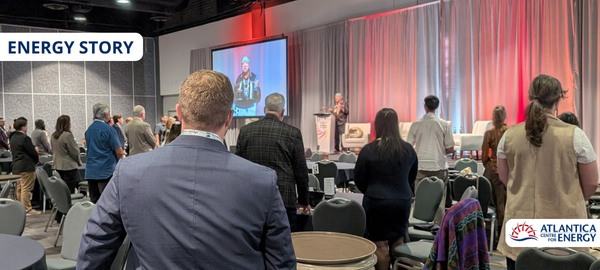
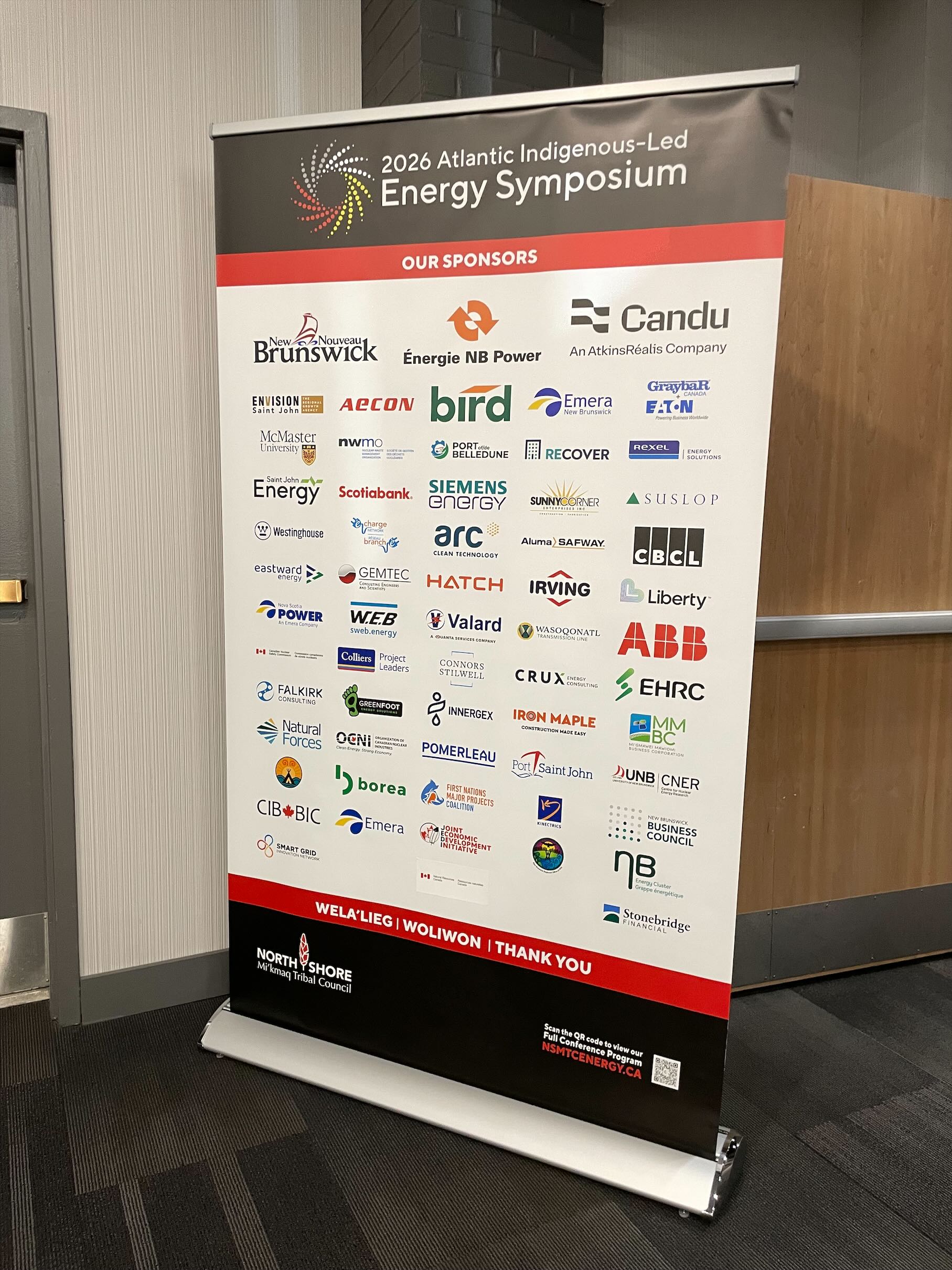
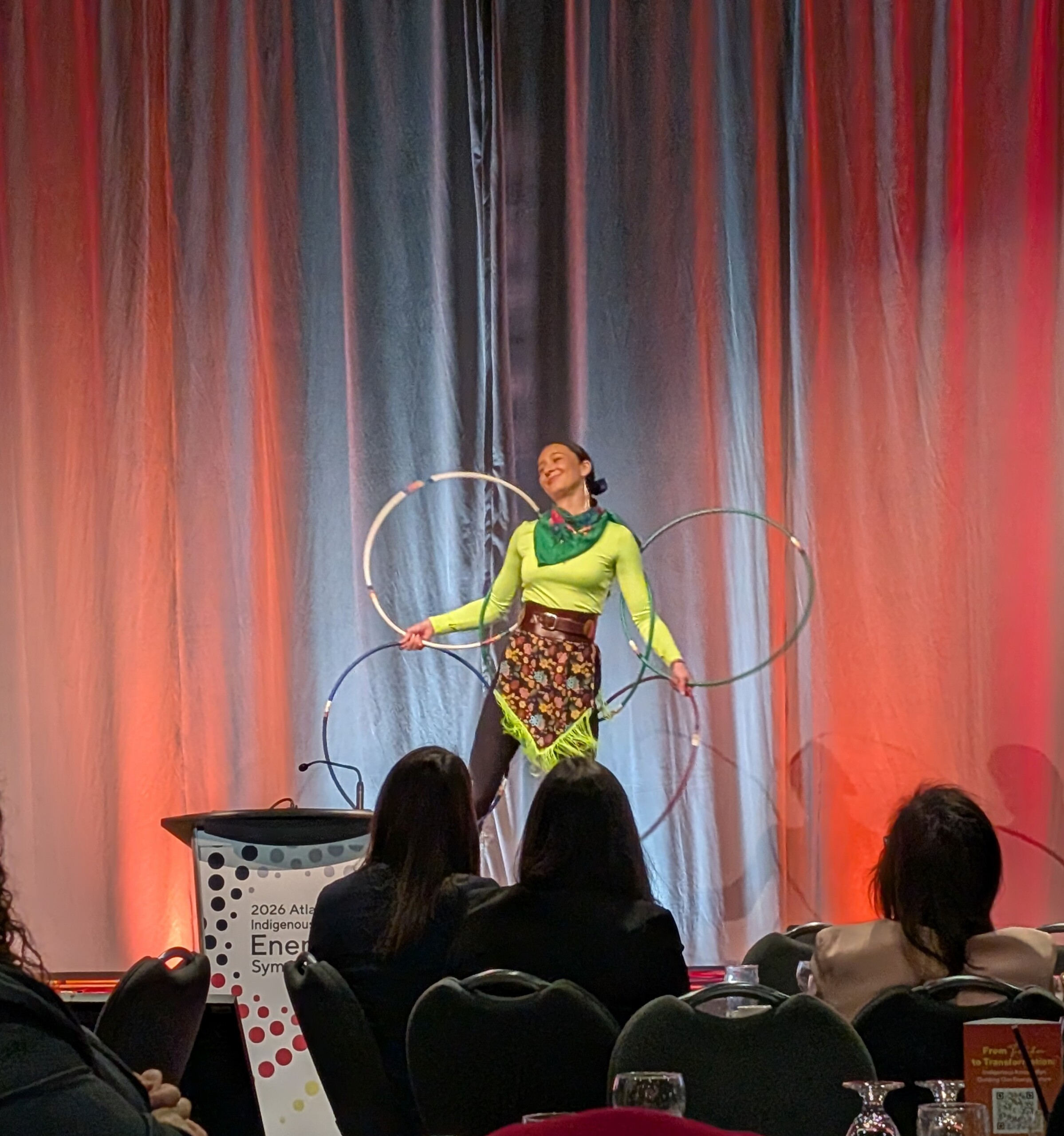
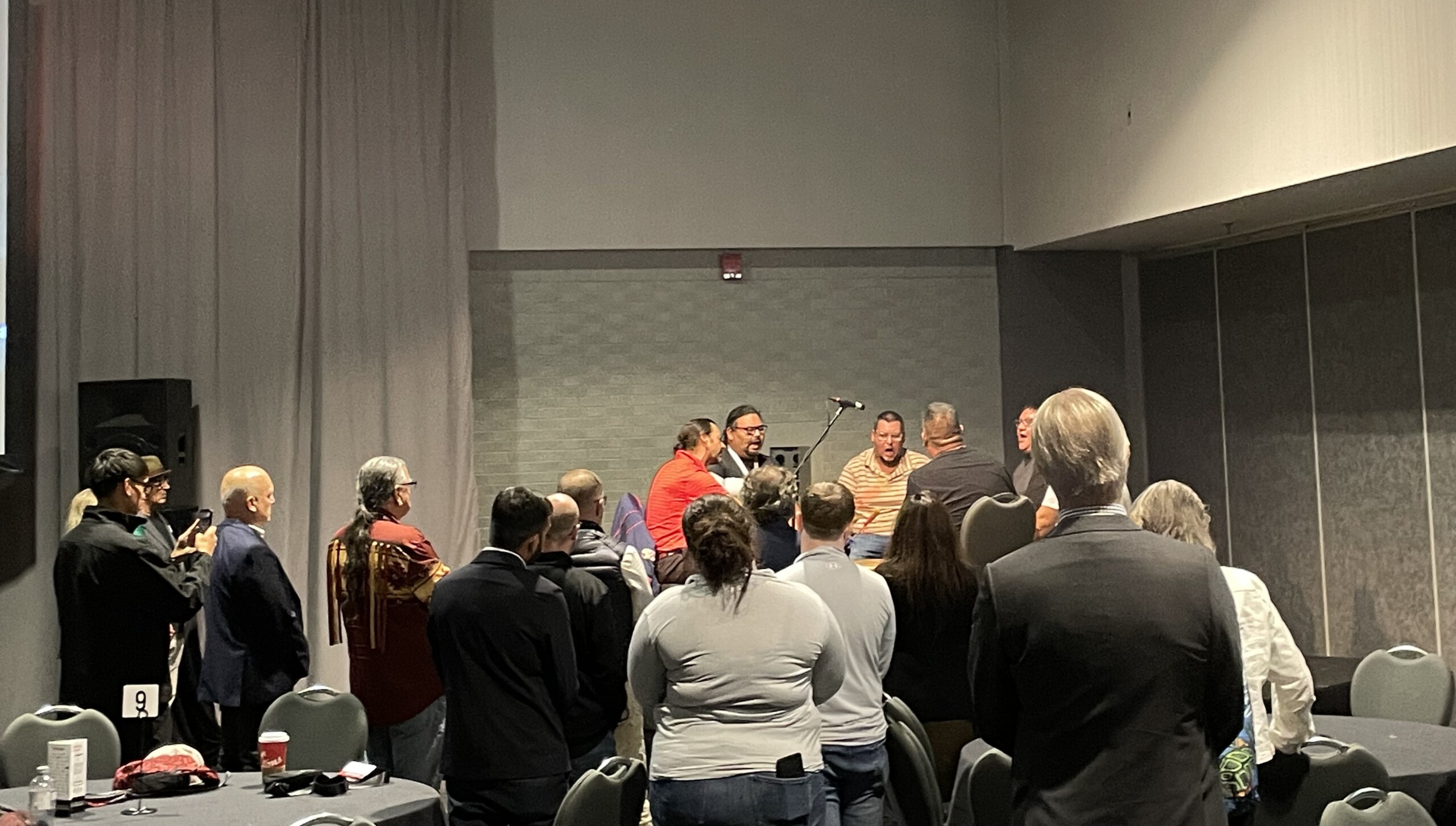
The North Shore Mi’kmaw Tribal Council (NSMTC) hosted the 5th annual Atlantic Indigenous-Led Energy Symposium in Saint John, NB, from September 22nd to 24th.
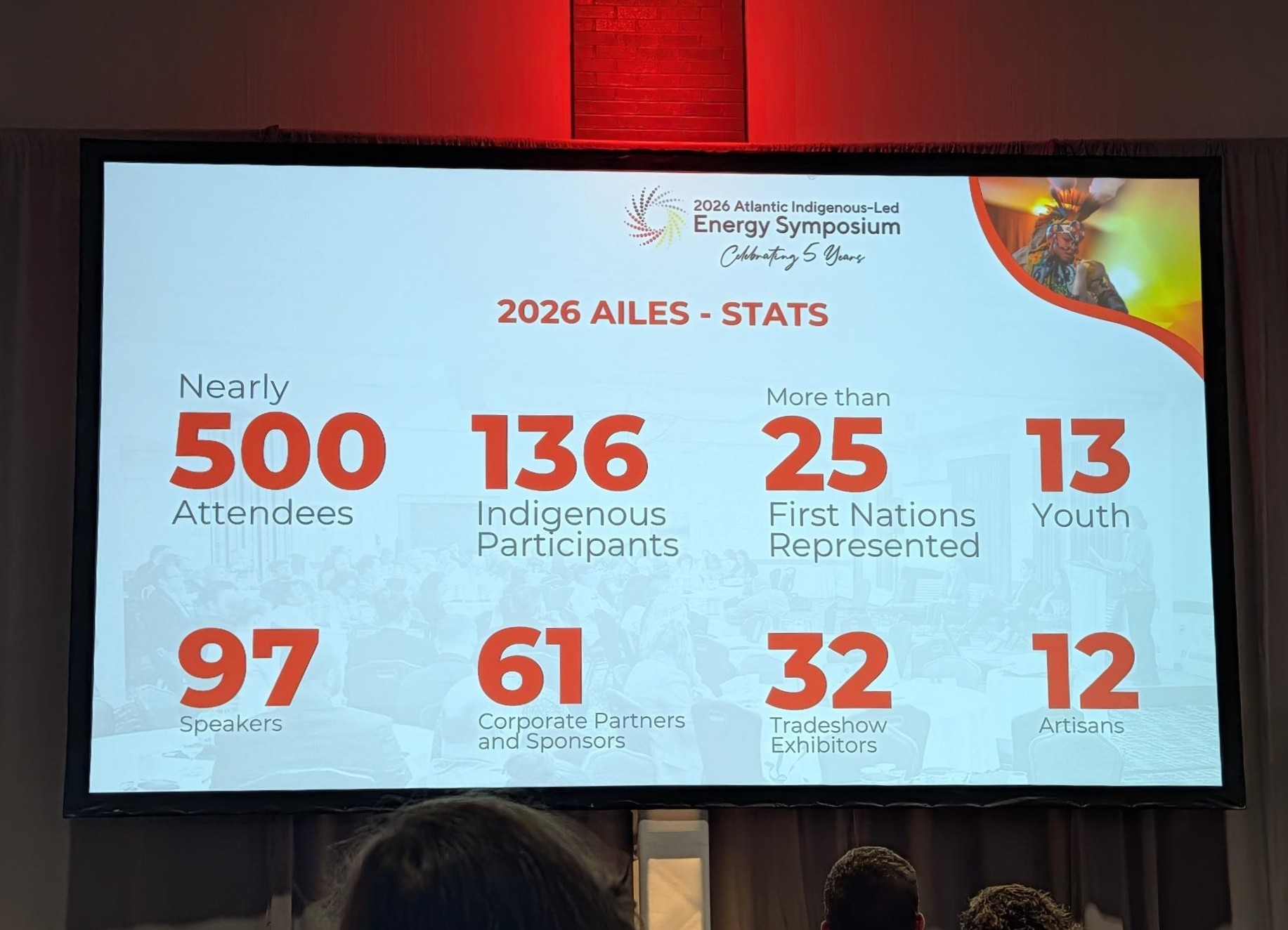
The theme of this year’s event was “From tradition to transformation,” bringing together nearly 500 attendees, 136 Indigenous participants, 97 speakers and 136 Indigenous participants with more the 25 first nations represented.
Everyone on the Atlantica team attended the Symposium this year and took the opportunity to catch up with attendees throughout the event to learn what they found most impactful.
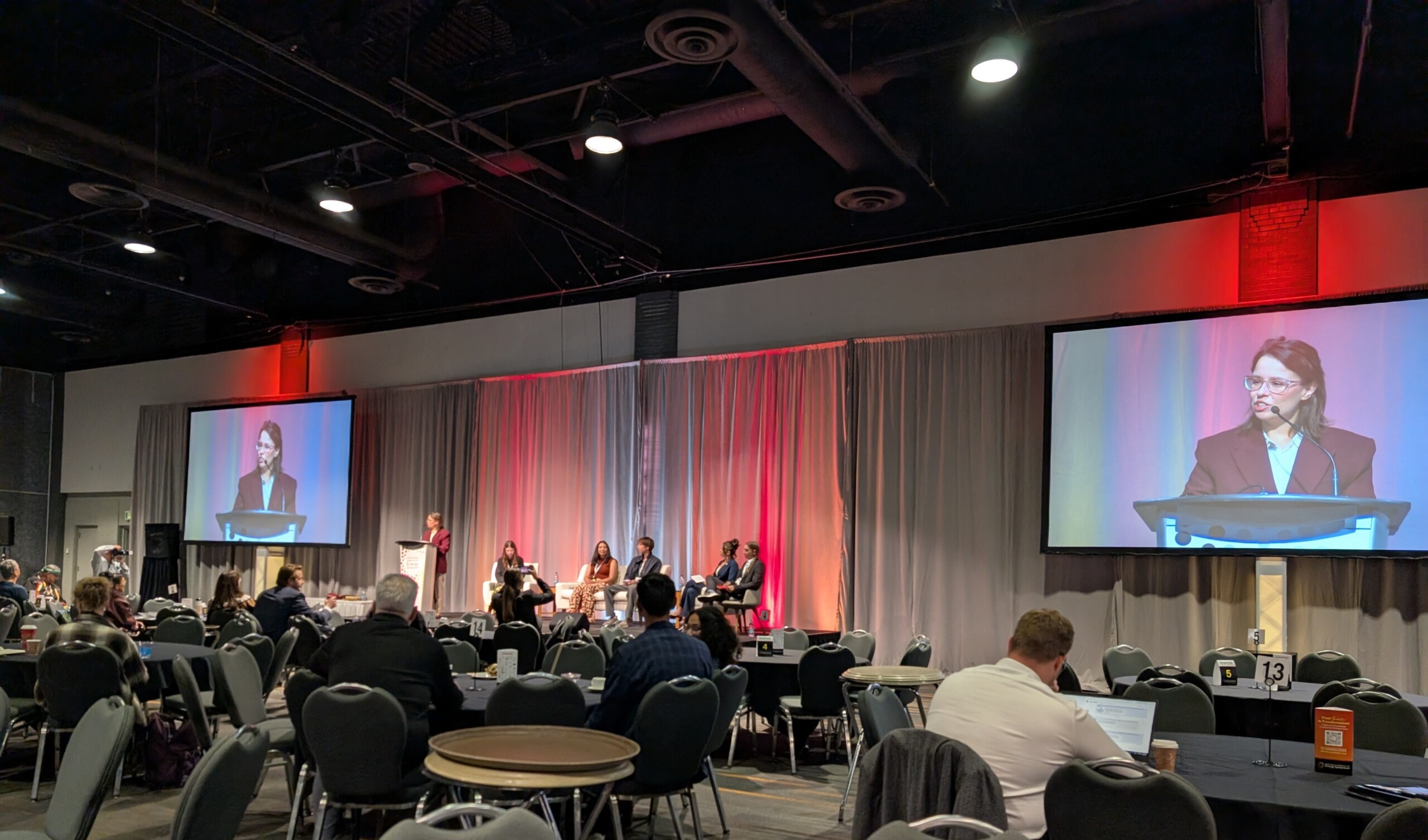
Hon. René Legacy, New Brunswick’s Minister of Energy, gave opening remarks on Wednesday.
“I see this conference here as another important step in that journey together so that we get to build those relationships and talk to each other and meet and look at those solutions and technologies that are right at our doorstep, and ours to take.
I see these relationships as a facilitator of what we can do. I’m already hearing from large corporations who say that what they see in New Brunswick, with the relationships with the First Nations, is an asset because they see a path that may be easier to work with because we’re working on solutions before problems show up.”
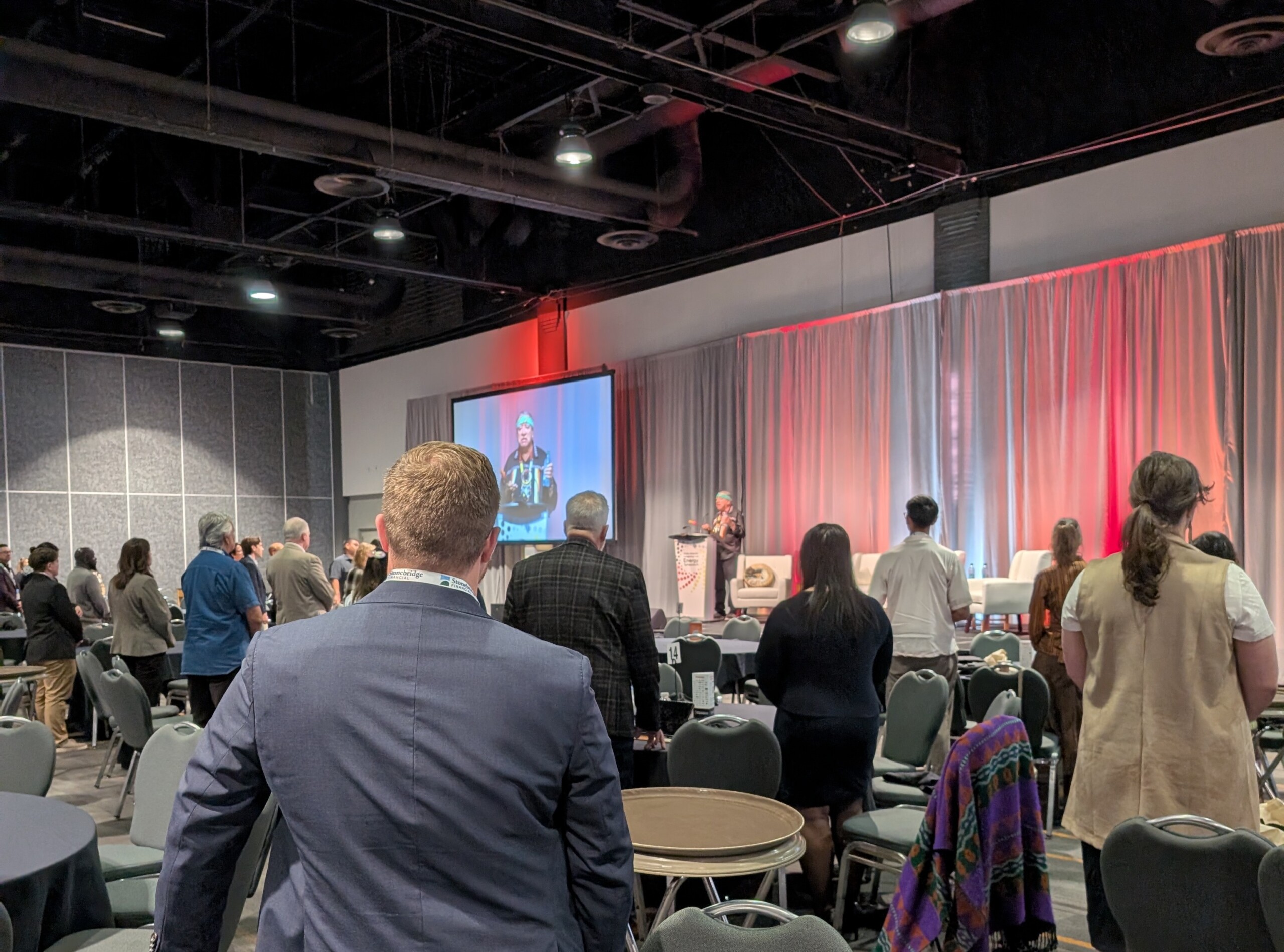
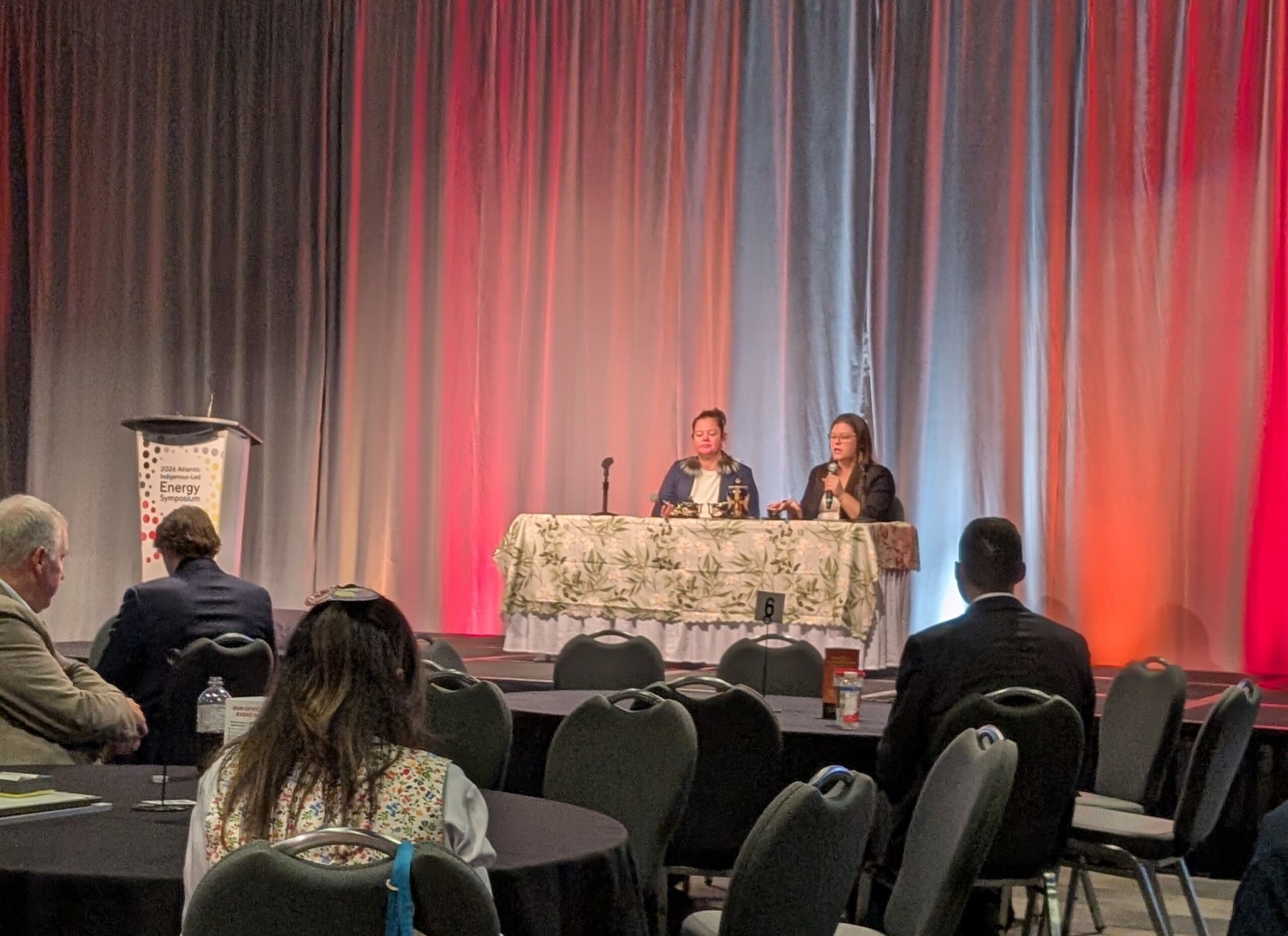
Crystal Nicholas, President of the Wskijnu’k Mtmo’taaqnuow Agency (WMA), then kicked off Wednesday’s sessions with a keynote focused on Indigenous leadership in the energy sector. Her presentation focused on why scale, governance, ownership and partnership matter, and what economic reconciliation looks like in practice.
Hannah Hackett, Project Advisor with the Government of New Brunswick, found Crystal’s presentation to be especially poignant.
“My biggest takeaway was how the tone was set on the first day with Crystal’s opening keynote. I have a quote written down that has stayed in my mind the whole time, so I’d love to share that. “Economic reconciliations is about creating the conditions for Indigenous communities to participate in the economy in ways that are meaningful to them.” That definition laid out in that way was really profound and that stuck with me. I think it started the Symposium in a good way.”
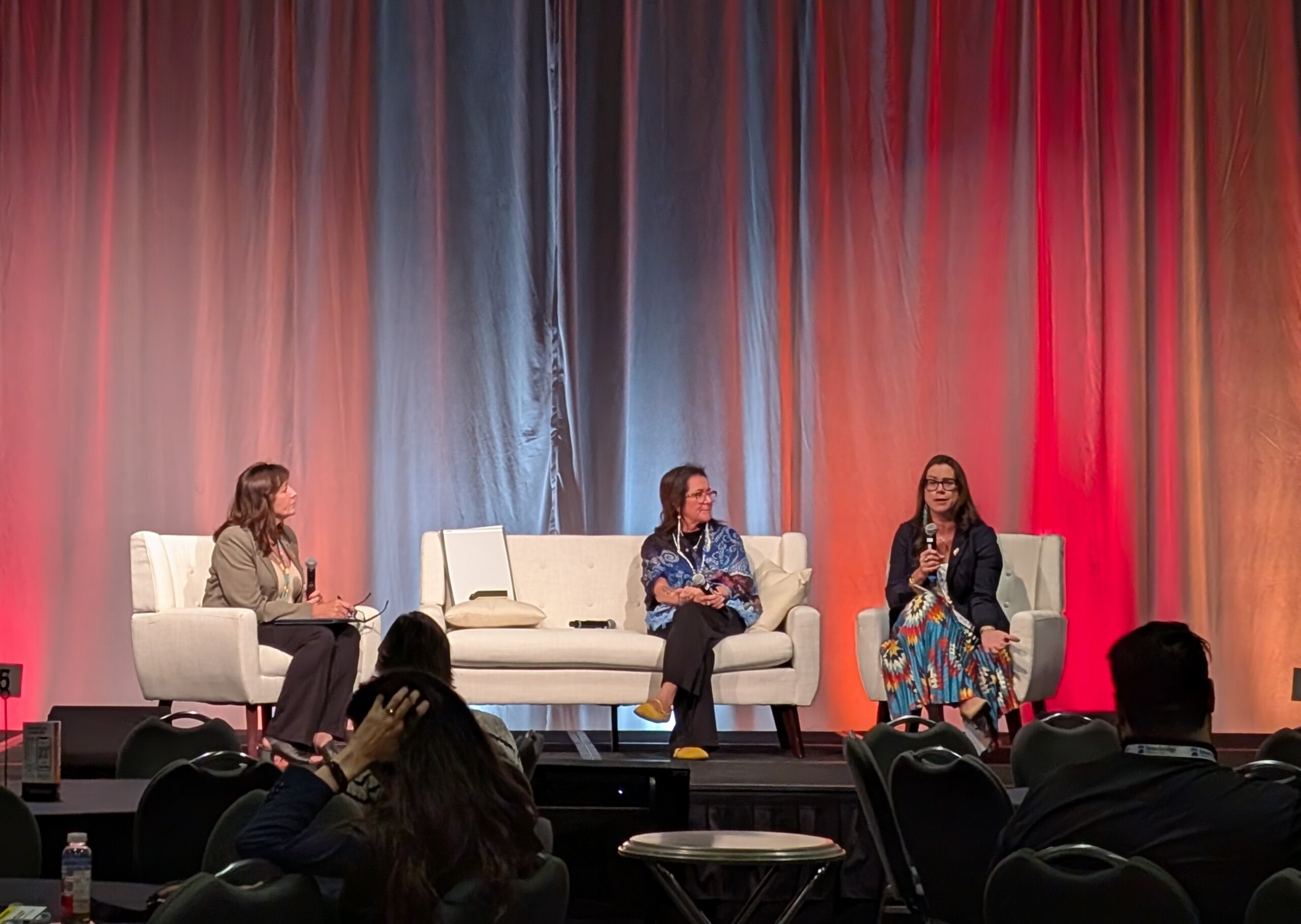
Over the course of two days, attendees had the opportunity to hear from professionals across the energy sector and learn from lived experiences of community leaders, including Indigenous youth.
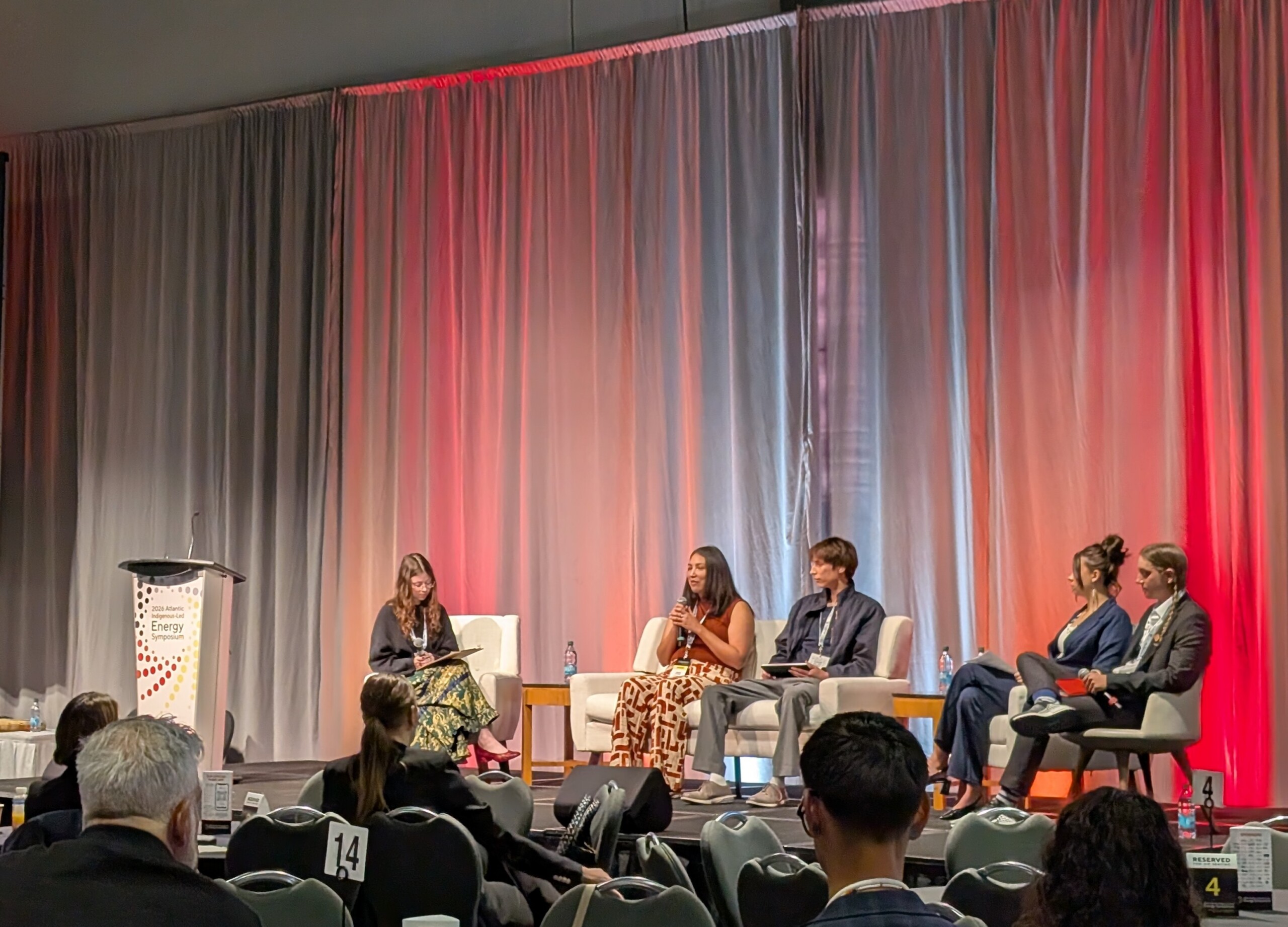
Thursday morning’s plenary session focused on youth pathways in the energy sector, with Yoana Turnin, Director of Programs at Electricity Human Resources Canada (EHRC), making the point that “We need a workforce strategy that is as ambitious as our energy strategy.” She reminded the audience that you can’t build a qualified and skilled workforce overnight, and the energy sector needs to be focused on retention, not just attraction. The first work experience matters, the first supervisor matters, and youth need a reason to stay and grow in this industry.
As Olivia Letemplier, Owner of Nanummik put it, “Say what you mean and do what you say. We need consistency, we need that standing in your own truth and speaking your truth. And then you attract the people who need to be there and do the important work we need to be doing. It’s also about partnership. We are here because we’ve survived, we’re resilient and we’re equals at the table. Shinning the light on someone else doesn’t dim yours. That’s what partnership is really about.”
For Chrystiane Mallaley, Senior Vice President, Engagement, Social Impact Consulting, at ChangeMakers, it was her work with NSMTC and Wolastoqey Nation that brought her to New Brunswick for the Symposium.
“Relationships is a word that’s sticking with me because the quality of connection during this event is amazing. I don’t know if there’s a single session that didn’t really emphasize the importance of relationship building inside this work. I also really love the diversity of perspectives here.
Partnerships is another big takeaway,” she continued. “We’re talking about the importance of engagement and consultation, but what I was particularly inspired by is how First Nations are leading in this space and these projects. It’s absolutely clear that the big opportunities are in front of us in the energy space in Atlantic Canada and the rest of Canada just aren’t possible without First Nations leadership and partnership.
I think Atlantic Canada’s on the leading edge of the big opportunities in the energy sector that are relevant across Canada and arguably even the world. A good example of opportunities for truly region-wide collaboration would be around transmission and just seeing how we need to be connected province-to-province to really have the type of infrastructure that’s going to serve the region, make it more resilient, and make it ready for the type of growth that we anticipate in the years to come.”
“AILES brought together people across the energy sector for meaningful conversations, shared learning and new connections. Congratulations to the team for creating such an engaging event that fostered collaboration and strengthened partnerships, and that I was honoured to be part of.” – Yoana Turnin, Director of Programs, EHRC
IESO Nova Scotia President and CEO Johnny Johnston also commented on the importance of working with Indigenous partners on energy infrastructure.
“I think this is an excellent event of bringing together all the people across Atlantic Canada that are interested in energy. But importantly seeing our Indigenous partners right at the heart of this event. And we’ve seen in Nova Scotia that all new energy infrastructure in recent years has had Indigenous partnership as part of that. And so really the whole conversation around “how do we involve Indigenous partners early?” and through the whole development cycle to get the right infrastructure developed and deployed. I think it’s an excellent event for encouraging those conversations and partnership and great economics for the region.”
Drew Bernard, Energy Lead for Lennox Island First Nation, said the Indigenous-Led Energy Symposium is his favourite conference to attend.
“I go to conferences from coast to coast to coast, all across Canada, and this one, being close to home, it really brings me so much joy to come here and connect with people that are in the space. Especially a lot of Mi’kmaw people that are doing work that are working with different partners that I collaborate with in my own job. I love coming to this conference and seeing a lot of familiar faces and it really brings me a lot of joy and excitement about the work that I do. Sometimes it can get mundane, it can get tough, but then I come to this conference, and it reinvigorates me.
The Indigenous people are strong, we are proud and we are out here making things happen every single day. It’s so amazing to see the amazing amount of work that’s being done in communities, the amazing amount of capacity that’s being built in community. What I’m taking away is that the Mi’kmaw people are stronger than ever and we will continue to build that strength within our communities, especially in the energy sector.
The energy sector was really a catalyst for us to bring capital into community and build up that capacity. And through this involvement in these big energy projects has come the capacity for us to be able to operate business and be able to operate programs and organizations. So, this clean energy was really that initial stepping stone that’s bringing us into that future of true equity partnership at the biggest tables in all the Atlantic.”
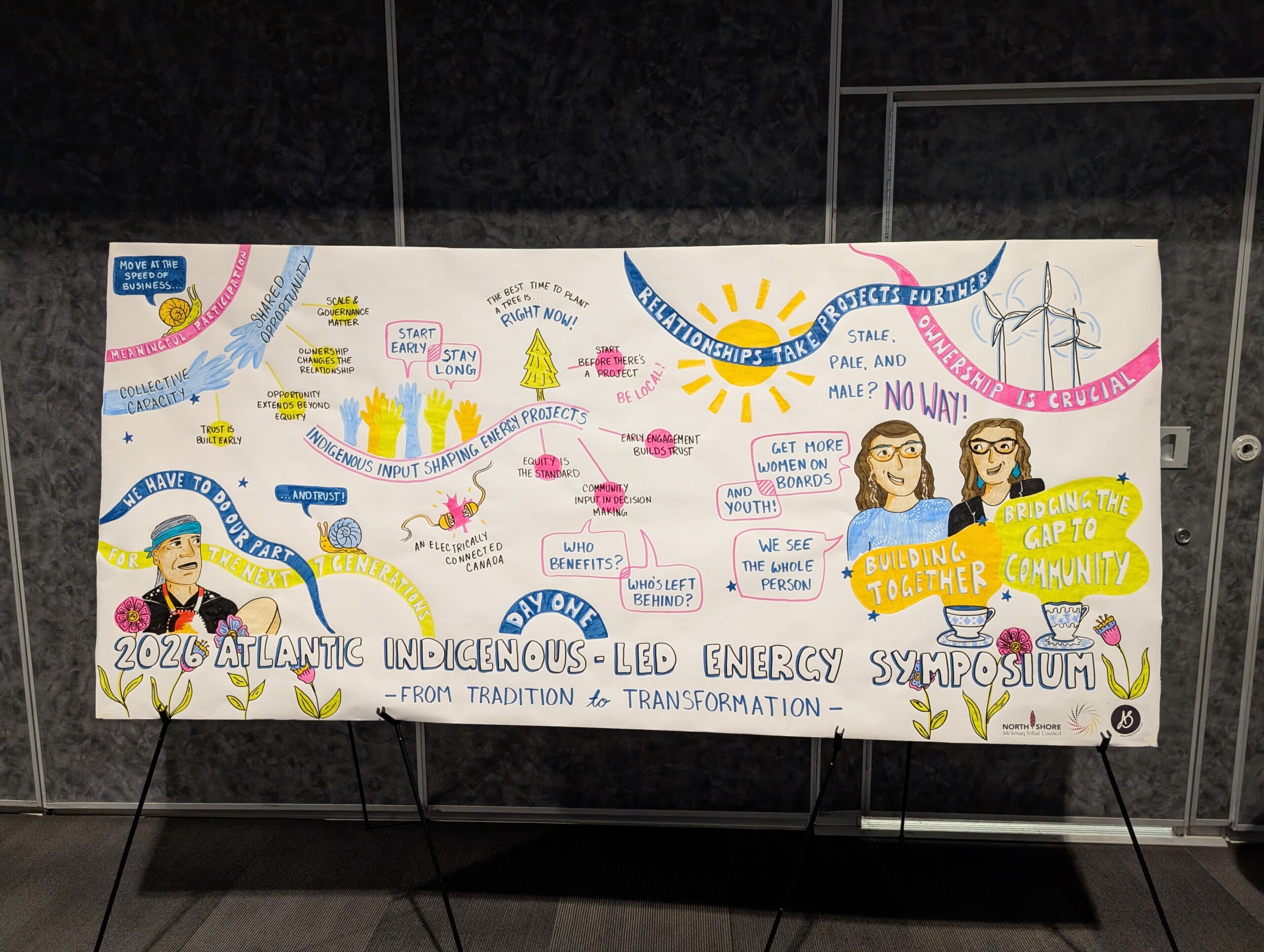
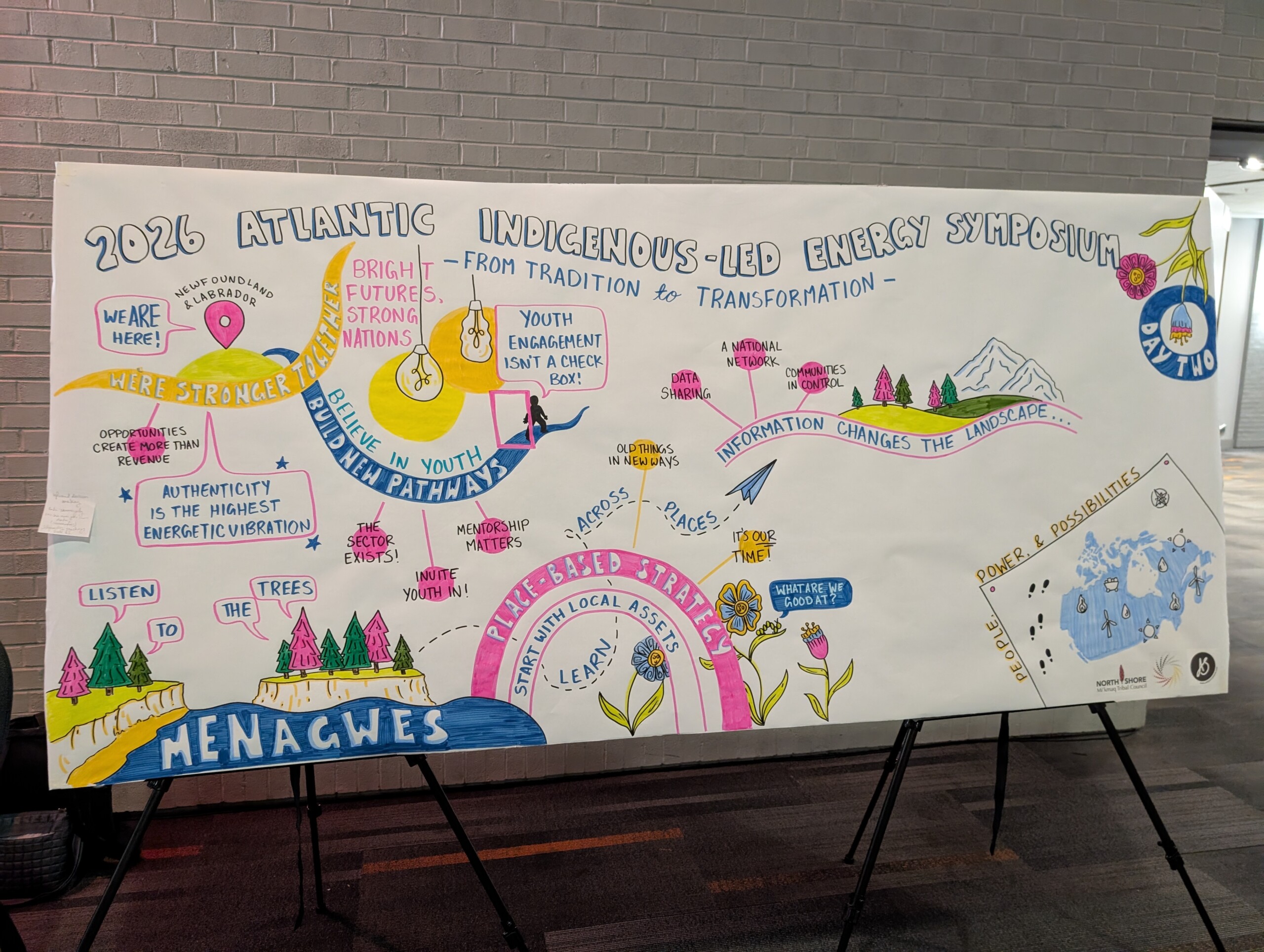
At the end of the Symposium, Patrick Flood, Energy Services Lead for NSMTC said, “I think my key takeaway is that momentum is continuing. We’ve seen a change in leadership federally, we’ve seen a lot of changes of the attitude of the federal government. But the message here is stable: Indigenous leadership is an essential part of building these projects, either “Major Projects” or major projects, it’s all going to take Indigenous leadership.”
Learn more about the Indigenous-Led Energy Symposium at www.nsmtc.ca/ailes/