
Commentary by Michelle Robichaud.
The fourth annual Atlantic Indigenous-Led Energy Symposium was held from October 28 to 30 in Moncton. The event showcased a level of momentum and leadership in the energy sector that would have been difficult to imagine even a few years ago.
The Symposium provided an incredible opportunity to listen to and learn from Indigenous leaders driving toward a brighter futures for their communities. As someone wise reminded the audience: “We have two ears and one mouth for a reason.”
What emerged over the jam-packed three days was not only a sense of possibility, but also a clear message: Indigenous Nations are ready to help lead the journey toward our shared energy future in a sustainable, responsible and collaborative manner, and with a multi-generational mindset for economic prosperity that benefits everyone.
A central theme throughout the Symposium was the openness and willingness of Indigenous communities to develop projects that are environmentally grounded and community driven. Indigenous Nations are not opposed to energy projects; they are opposed to development done without transparency, without consultation, and without meaningful benefit to the people who live closest to them.
Leaving the event, it was clear to me that when projects are aligned with community priorities and approached in good faith, support can be strong and enduring. This isn’t surprising, but too often we still see these missteps made developing projects across Canada.
Another consistent message I heard was that trust and consent take time. Several speakers, including Chiefs, project leads and legal experts, reiterated that a lack of trust creates the delays that industry and governments work hard to avoid.
Concerns voiced by communities are real and should be treated seriously, even if concerns start from misunderstanding. The path forward requires working together; we need communities, regulators, Premiers and even the Prime Minister’s Office to collaborate. When everyone is aligned early, projects advance more quickly, more efficiently, and with far fewer conflicts.
The Symposium highlighted the remarkable progress already underway to develop Indigenous-led energy projects across Atlantic Canada. Innovative examples were shared from each province. Indigenous Nations are developing wind, solar, battery and transmission projects. They are entering major partnerships with utilities, advancing community-scale energy planning, building technical capacity, investing in the next generation of leaders, and finding innovative financing arrangements to help bridge historic challenges. And this momentum has only just begun.
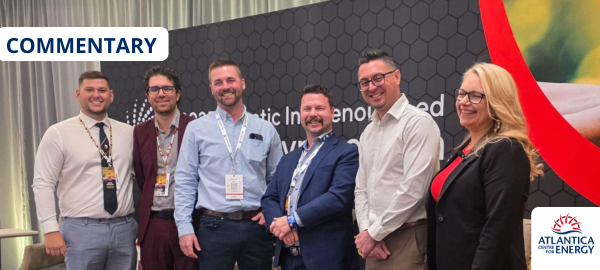
The Opening Plenary Panel, which I had the privilege to moderate, offered an inspiring cross-section of this leadership. Michael Peters (Glooscap Ventures), Frédéric Vicaire (Mi’gmawei Mawiomi Business Corporation), John Cloutier (Wolastoqey Nation in New Brunswick), Drew Bernard (Lennox Island First Nation), and Jamie Hewlett (Nunatsiavut Government) each brought forward powerful examples of progress rooted in community values. Whether through nation-to-nation collaboration, diesel-reduction initiatives, large-scale wind projects, or efforts to build truly self-sustaining communities, these changemakers demonstrated the breadth and depth of Indigenous innovation across the region.
I also believe there is significant room to expand into Indigenous-led projects in the region for cleaner fuels, whether hydrogen, bioenergy, or other technologies. Atlantic Canada’s net-zero future will need a lot of fuels during its transition and beyond. I hope the Indigenous leadership demonstrated with electricity projects in the region will drive community support for fuel projects, derisk investments, and grow the workforce and supply chains needed to build them.
The Symposium made one thing unmistakably clear: Indigenous leadership is already reshaping Atlantic Canada’s energy future. The challenge now falls to the rest of us. Are we prepared to match this ambition? Are we willing to think in decades rather than election cycles? Will we build projects that reflect our shared priorities?
If we answer “yes” to these important questions, then this region can set a national standard for what responsible, inclusive, future-ready energy development truly looks like. And everyone will benefit.